
- 9 AM -10 AM & 5.30 PM -8 PM
- 8005720921
- Pacific Diagnostic, Karni Palace, Vaishali Nagar, Jaipur, 302021
Welcome! How can we help you?
Looking for a specialist Nephrologist,
We are here to help you
Make an appoinment

Dr. Ravi Kumar
Nephrologist
Dr. Ravi Kumar
One of the Best Nephrologists in Jaipur & Sikar
Look out for the best nephrologist in Vaishali Nagar, and Dr. Ravi Kumar is a specialist who assists patients with the treatment and diagnosis of a range of kidney and bladder diseases. They help patients with illnesses such as kidney disease, tumors and other abnormal growths in the kidneys, kidney stones, bladder stones, and infections of the kidneys. Together with other medical team members, we work. We treat a wide variety of kidney problems, such as:-
Acute Kidney Failure
Suddenly, your kidneys are unable to filter waste products from your blood, resulting in acute kidney failure

High Blood Pressure
Blood pressure that really is high than normal is known as high blood pressure or hypertension. Based on your activities, your blood pressure changes.
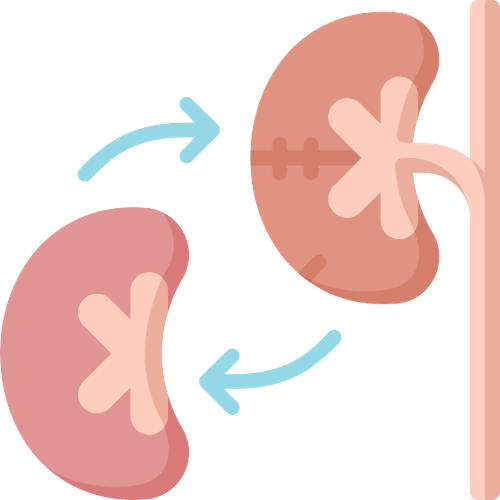
Renal Transplant
A kidney transplant is a surgical procedure where a healthy kidney is placed into a patient whose kidneys are no longer functioning correctly.
Chronic Kidney Disease
A healthy kidney is surgically implanted into a patient whose kidneys are no longer functioning normally.
View Details
Why Choose Us?
Dr. Ravi Kumar
Consultant nephrologist and renal transplant physician.
M.B.B.S (SMS Hospital)
He has a strong basic of medical knowledge
MD (MEDICINE)
A expert physician
DM – (Nephrology)
Super specialist of kidney disease

What our Patient Say
Thank you
One of the best nephrologist in Jaipur, who provides the services to the patient with …
Deeksha Verma
21 Nov 2022
Doctor made my life easier…
I am very thankful to Dr Ravi Kumar for curing my health problem with his …
Neelam Kumari
13 Nov 2022
Wonderful service
The best nephrologist service provider in Jaipur. He has a good experience in the nephrologist …
Devendra Rajput
11 Nov 2022
Good staff
I really appreciate all the doctors and nursing staff for their service and the way …
Amir Khan
06 Nov 2022
Excellent
151 reviews on

We Provide Best Services
Hemodialysis
When your kidneys are unable to do this function efficiently, hemodialysis is a process where a machine filters wastes, salts, and fluid from your blood.
Renal Biopsy
A kidney biopsy affects the removal of a small piece of kidney tissue so that it may be analyzed under a microscope for indications of damage or disease.
Kidney Disease in Diabetes
When you have both type 1 and type 2 diabetes, diabetic nephropathy is a side effect. A kidney’s blood vessel clusters that filter waste from the blood can become damaged over time if diabetes is not appropriately controlled.
Urinary Infection
Any infection in the urinary system is also referred to as a urinary tract infection (UTI). The kidneys, ureters, bladder, and urethra are parts of the urinary system.

FAQ’s
Does the Best Nephrologist in Jaipur recommend a particular diet for the kidneys?
Fruits, vegetables, whole grains, low-fat dairy products, legumes, nuts, seeds, and soy products make up the ideal kidney-friendly diet. To keep your kidneys healthy, you should reduce your intake of sodium, fat, and cholesterol.
What can I do, according to the nephrologist in Jaipur, to safeguard my kidneys?
To keep your kidneys healthy and functioning properly, you should eat a balanced diet and drink enough water each day. Give up drinking and smoking. keep a healthy weight.
What blood pressure is ideal for someone who has kidney disease?
In individuals with kidney disease, an acceptable, evidence-based Blood Pressure objective is 130/80 mm Hg, and recent research indicates that reducing BP to 130/80 mm Hg lowers the risk of future mortality.
Is a lot of water consumption helpful for the kidneys?
Drink enough water each day to maintain the function of your kidneys because water aids in the body’s ability to eliminate waste from the blood through urine. Additionally, water keeps your blood arteries open, allowing unfettered blood flow to your kidneys and the delivery of vital nutrients.
What occurs if blood phosphorous levels are too high?
Over time, excessive PTH and phosphorus levels can harm bones and blood vessels. This can lead to fractured bones, muscle weakness, and bone discomfort. Vascular hardening can cause high blood pressure, strokes, and heart attacks.
Which tests does the nephrologist perform to find out more about my kidneys?
Blood and a urine test are the most frequent and fundamental tests a nephrologist uses to identify kidney disease in patients. Your nephrologist might request more tests.
Fruits, vegetables, whole grains, low-fat dairy products, legumes, nuts, seeds, and soy products make up the ideal kidney-friendly diet. To keep your kidneys healthy, you should reduce your intake of sodium, fat, and cholesterol.To keep your kidneys healthy and functioning properly, you should eat a balanced diet and drink enough water each day. Give up drinking and smoking. keep a healthy weight.In individuals with kidney disease, an acceptable, evidence-based Blood Pressure objective is 130/80 mm Hg, and recent research indicates that reducing BP to 130/80 mm Hg lowers the risk of future mortality.Drink enough water each day to maintain the function of your kidneys because water aids in the body’s ability to eliminate waste from the blood through urine. Additionally, water keeps your blood arteries open, allowing unfettered blood flow to your kidneys and the delivery of vital nutrients.
Over time, excessive PTH and phosphorus levels can harm bones and blood vessels. This can lead to fractured bones, muscle weakness, and bone discomfort. Vascular hardening can cause high blood pressure, strokes, and heart attacks.
Blood and a urine test are the most frequent and fundamental tests a nephrologist uses to identify kidney disease in patients. Your nephrologist might request more tests.

Make an Appoinment
or

+91 8005720921
Need More Information? Call to our Doctors for Free Consultation!